
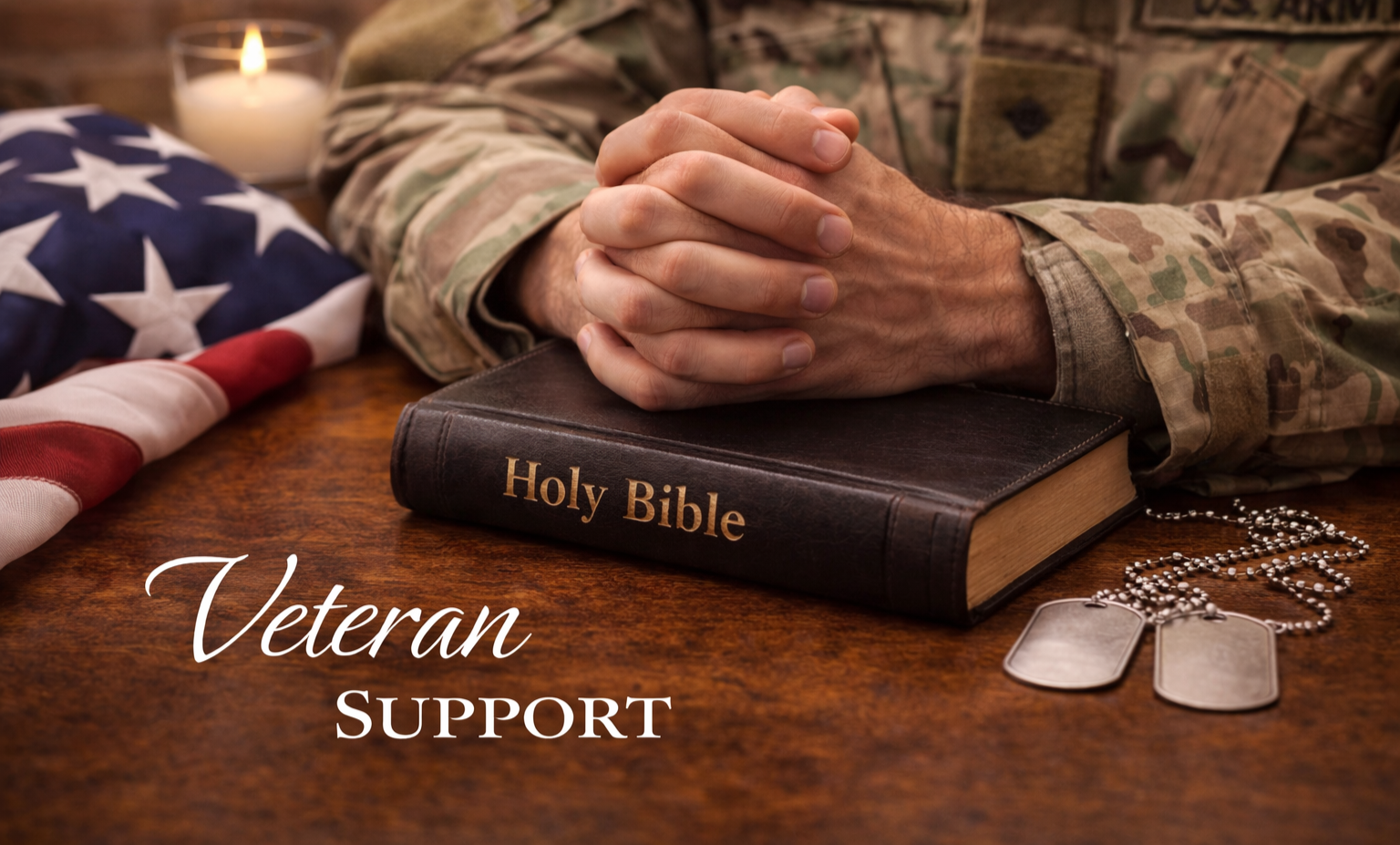

Helping veterans navigate pressure, transition, and leadership through biblical formation.
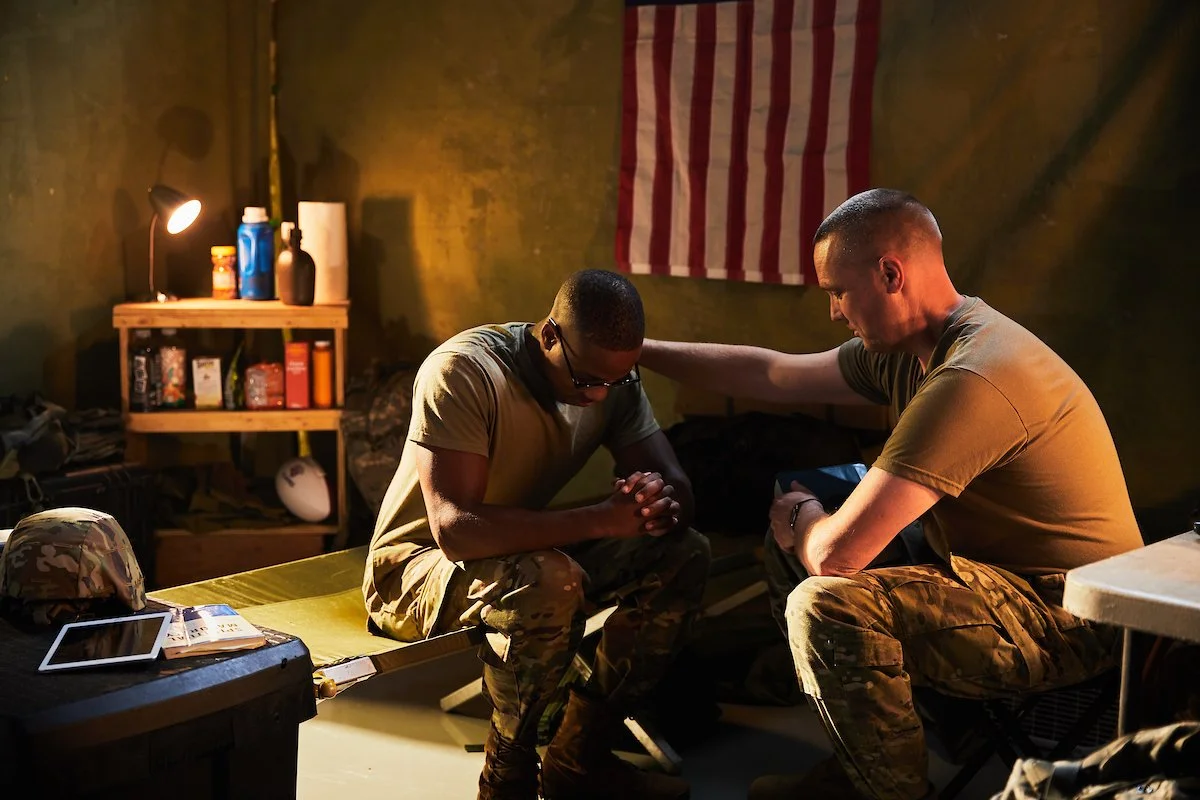
Transition and Identity
Leaving military service often requires a significant shift in identity.
Many veterans move from a structured environment with clear mission, authority, and camaraderie into civilian settings that feel far less defined.
This transition can create uncertainty about purpose, leadership, and direction.
Counseling helps veterans rebuild clarity and stability while learning how to apply the strengths developed during military service in new ways within family, career, and community life.
Common Challenges Veterans Face
Veterans often seek counseling when navigating challenges such as:
• Difficulty expressing emotions after years of emotional discipline
• Marriage strain following deployment or transition to civilian life
• Feelings of isolation or disconnection from others
• Pornography or sexual integrity struggles connected to stress or isolation
• Difficulty adjusting to civilian identity and leadership roles
• Suppressed stress that surfaces as anger, irritability, or withdrawal
• Struggles with purpose, direction, or meaning after service
These challenges are not uncommon and often stem from the long-term impact of high-pressure environments.
Counseling helps bring clarity to these patterns and begin developing healthier responses.
Biblical Formation
Counseling integrates biblical principles that support strength, humility, responsibility, and integrity.
Faith-based formation provides a foundation that helps many veterans reconnect with purpose, rebuild discipline in healthy ways, and pursue meaningful growth beyond their military service.
A Structured and Respectful Approach
Counseling for veterans respects the culture of responsibility, discipline, and direct communication that many service members value.
Rather than focusing on endless discussion of past experiences, counseling emphasizes practical steps that support stability, emotional engagement, and personal leadership.
Sessions are guided by biblical principles and a solution-focused approach that prioritizes forward movement and personal responsibility.
Areas of Focus
Veteran counseling may address areas such as:
• Emotional awareness and communication
• Marriage restoration and relationship stability
• Sexual integrity and accountability
• Identity and purpose after service
• Leadership within family and civilian life
• Stress management and emotional regulation
The goal is not simply symptom relief, but long-term personal stability and growth.
Who This Is For
Veteran counseling is appropriate for:
• Veterans navigating life after military service
• Service members experiencing strain in marriage or family relationships
• Men seeking stronger emotional awareness and personal discipline
• Veterans wanting faith-based guidance and structure
Counseling provides a space where veterans can speak openly while developing practical strategies for long-term stability.
Veteran Coaching / Formation Coaching 1 Hour Session
$100.00
Military service often develops strength, discipline, and the ability to carry pressure under demanding circumstances.
Those same strengths can sometimes make it difficult to process stress, express emotions, or reconnect fully with family life after service.
Many veterans find that the habits that helped them succeed during military service — internalizing pressure, staying mission-focused, and avoiding vulnerability — can create challenges in relationships, marriage, and personal well-being.
Veteran counseling provides a structured space to examine these patterns and develop healthier ways of carrying responsibility, engaging emotionally, and leading within civilian life.
Call to Action
Begin the Process
If you are a veteran navigating challenges related to transition, relationships, or personal pressure, counseling can provide structured guidance and support.
Schedule a session to discuss your situation and determine whether counseling may be helpful.
Important Note
Foundations Counseling & Coaching provides Christian life coaching and does not provide licensed mental health therapy, diagnosis, or medical treatment.
Individuals needing clinical mental health treatment should seek services from a licensed mental health professional.